Super Bowl Squares Rules: Every Call You Make Before the Draw
Squares School11 min read · August 17, 2026
The rules of Super Bowl squares come down to a 10 by 10 grid of 100 squares, one price everybody pays for each square they claim, and the digits 0 through 9 randomized along both axes only after every square has been claimed and paid for. At the end of each quarter you take the last digit of each team's score, and whoever holds the square where those two digits cross wins that quarter's share of the prize pool. Everything else, meaning overtime, the reverse score rule, a square that wins twice and the squares nobody bought, is the host's call, and every one of those calls has to be settled before the numbers get drawn.
Most writing on this topic stops after the grid and the digits, which holds up right until the third quarter ends on a square nobody claimed and forty people are looking at you. Below is every ruling a Super Bowl host has to make, each with the default we'd recommend, plus both Super Bowls that have gone to overtime worked through square by square.
The rules of a Super Bowl board are the rules of any football board, and nothing about the game changes because it's February. What changes is the room, since a Super Bowl board is usually a one-off with a much bigger crowd than a regular Sunday pool, most of whom have never held a square, so every call the host makes (the commissioner, as most pool sites call that job) gets made once, in front of everybody, with no chance to adjust it next week. If you want the underlying mechanics explained properly rather than decided quickly, our full football squares rules reference covers every rule below in depth and applies to any game on the schedule.
What Are the Rules of Super Bowl Squares?
One hundred squares sit on a grid ten across and ten down, each player claims as many as they want at the same fixed price, and the two teams get an axis each, with the home team read along the top and the away team down the left side. Every square costs the same because every square is worth the same.
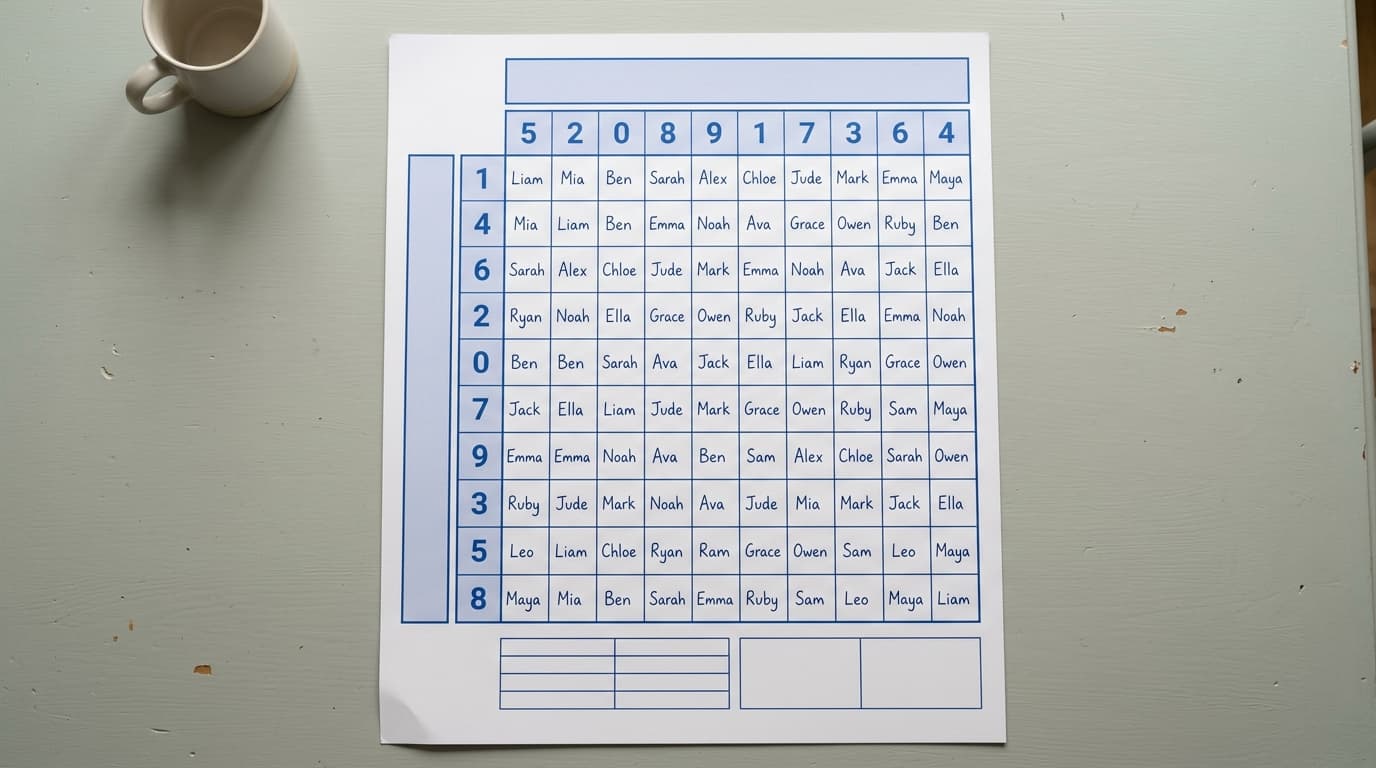
The digits are what everyone misunderstands on their first board. Nobody picks them, and no square is a better square than any other when you claim it, because the ten columns and ten rows are still unlabelled. A player who gets to choose a position early is choosing a position and nothing more, since the digits that position ends up carrying are unknown to everybody in the room.
A Super Bowl gives you four scoring periods in the three quarter breaks and the end of the game, so most boards pay four winners out of a prize pool the players themselves funded. The classic weighting hands 20 percent after each of the first three quarters and the remaining 40 percent on the last prize, though nothing about those figures is fixed by any rule. Our breakdown of football squares payouts runs that arithmetic at every price point, and how many squares are in a football pool covers the smaller grid formats a tighter group sometimes prefers.
That gives you your first two calls. Run the full hundred squares unless your group is small enough that filling it would be a slog, since a Super Bowl crowd is usually the one night of the year you can sell a hundred, and set the four prizes as real dollar figures rather than percentages of whatever gets collected, so the players who did buy in never end up covering the empty squares.
When Do the Numbers Get Drawn, and What Locks?
The numbers get drawn once every square has been claimed and every payment has landed, and the board locks completely at that moment. There is no rule about drawing a set number of days before kickoff, and hosts who invent one usually end up breaking it, because sign-ups genuinely do run right up to kickoff and sometimes a little past it.
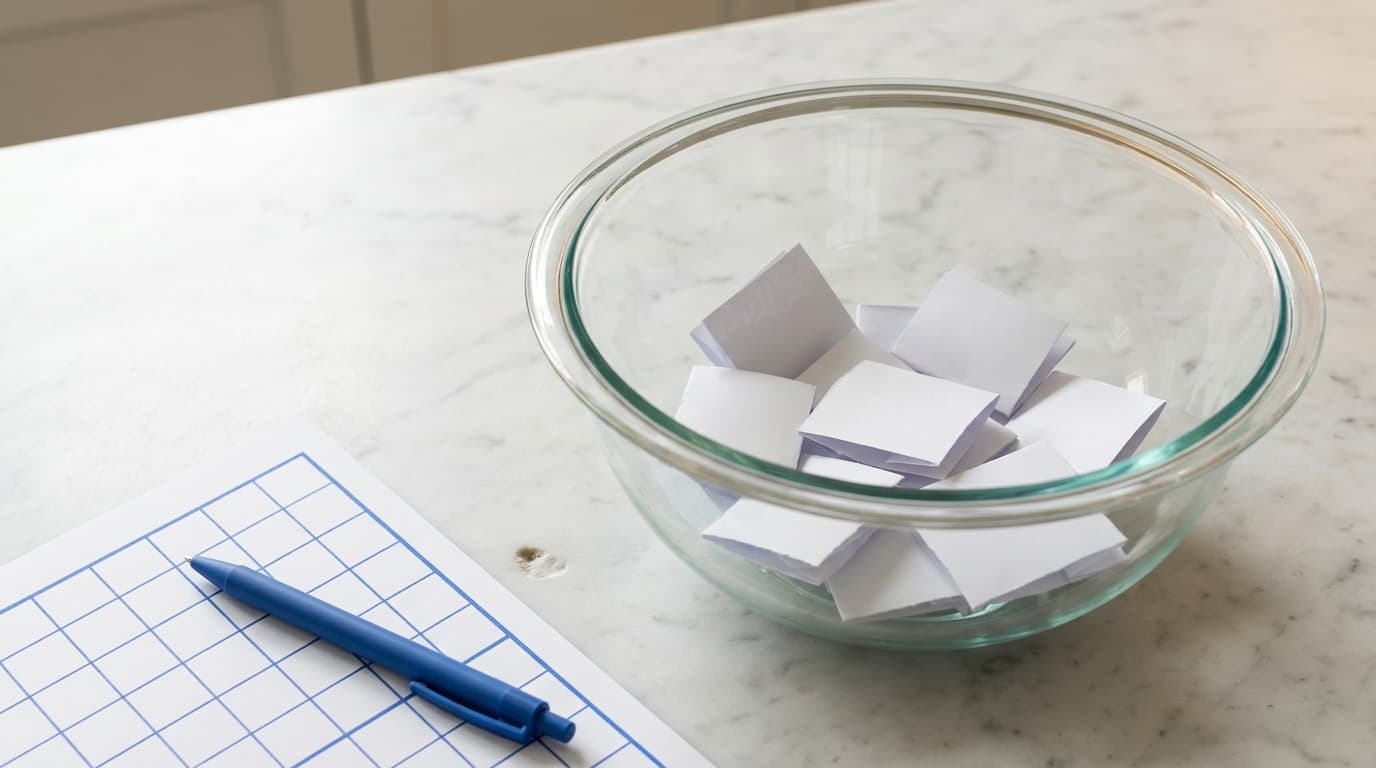
After the digits are assigned, nothing about the board can change: no new entries, no swapped squares, no changed claims and nobody paying late to buy in. A square only had an equal chance while the digits were still unknown, so anyone joining or moving afterwards is choosing a result rather than taking their chances like the people who bought in blind. Selling squares after kickoff carries a quieter cost too, since nobody can follow their numbers while the board is still changing underneath them.
How you draw is up to you, and folded slips out of a bowl still work perfectly well. Some boards draw a fresh set of digits for each quarter instead of one set for the whole game, which spreads the winning around but has every player re-checking their numbers four times, so for a crowd that's mostly new to squares we'd stick with one draw and announce the choice before a square sells. If you'd rather everyone watch the draw happen at once, our Super Bowl squares number generator does the randomizing in one press.
How Do You Read a Winning Square?
Take the last digit of each team's score at the end of the scoring period and find the square where those two digits meet, with the home digit along the top and the away digit down the left. A quarter ending 17 to 10 pays the square at 7 for the home team against 0 for the away team, and a game sitting at 24 to 13 pays 4 against 3.
Two details trip up first-time hosts. Scores are cumulative rather than per-quarter, so the halftime winner comes off the running total at the end of the second quarter, and a team on 21 at half gives you a 1 rather than anything to do with the 14 they added after the first. The other is that a scoreless period still pays, so a first quarter ending 0 to 0 pays whoever holds 0 against 0.
Some pairings do come up far more often than others, which is the question somebody at every party asks. Pooling every scoring period across 1,424 NFL games from 2021 through 2025, a 7 for the home team against a 0 for the away team won 424 times, a 7.33 percent win rate and the most of any pairing, while a 2 against a 2 won just twice. Even the best square still loses far more often than it wins, and since nobody chooses their digits it changes nothing about how you run the board, but our football squares odds tool looks up any pairing by quarter, halftime or final score.
The tiring part of running this on paper is that everybody asks the host where things stand, over and over, all night. Running your Super Bowl squares board on Play Squares removes that, because the grid tracks the score live and highlights the pending winner while the quarter is still being played. For the whole sequence from empty grid to paid winner, our explainer on how Super Bowl squares work walks through it end to end, and our football squares example follows one real $10 board through all four winners of Super Bowl LX.
What Happens if the Super Bowl Goes to Overtime?
A Super Bowl can't end in a tie, so the only overtime ruling you need is what the last prize pays on. Postseason overtime runs in 15-minute periods that keep repeating until somebody wins, with both teams guaranteed a possession in the first one, which is why a February board never needs the tie rule a November board does.
🏆 Winners
That leaves a genuine choice between paying the last prize on the true final score whenever the game ends, or paying it on the score at the end of the fourth quarter and treating overtime as an unpaid extra. We'd recommend the final score, because it's the score everyone remembers and it keeps every square alive through the most watched part of the night. The end-of-regulation version works fine and some hosts prefer it, but it has to be written down before the draw or somebody will assume the other one.
Both Super Bowls that have gone to overtime show why that sentence belongs on your board. Super Bowl LI finished regulation 28 to 28, a square of 8 against 8, and New England won it 34 to 28, moving the last prize to 8 for Atlanta, the designated home team, against 4. Super Bowl LVIII did it again seven years later, when regulation ended 19 to 19 on 9 against 9 and Kansas City, the designated home team, won 25 to 22 with an overtime touchdown, which pays 5 for the home team against 2 for the away team. That was also the first Super Bowl played under the rule guaranteeing both teams a possession, so San Francisco's opening field goal didn't end it. For the ties and repeat-winner cases that come up across a full regular season, our deep dive on football squares rules covers the wider set.
Which Extra Prize Rules Are Worth Adding?
The reverse score rule is the one worth adding on a big casual board, because it doubles the number of people who go home having won something. It pays a second square at every scoring period, holding the same two digits in reverse order, so a quarter ending 17 to 10 pays 7 against 0 and also pays 0 against 7.
The catch is that the reverse prize comes out of the same prize pool rather than from anywhere new, so decide its slice before you collect a dollar. Cover the case where both teams end a period on the same last digit as well, because the forward and reverse squares are then the same square and one person collects both slices.
If a square wins twice, let it happen and pay it again, since that square had the same chance as the other 99 and any alternative means explaining a second rule to a room that isn't listening.
Touching squares and unlucky-number payouts also run alongside the quarter prizes the way the reverse score rule does, while paying on every score change or per minute of game clock are whole formats that replace the quarter prizes rather than joining them, and the score-change version needs a cap or it can outrun the prize pool. Our full football squares rules reference explains how each one works and which ones combine, and our guide to splitting the prize pool works through each with real figures.
What Are the Rules When Some Squares Never Sell?
Fill the board, and the question disappears. The host, or a few willing players between them, buys the remaining squares at the price everyone else paid, so every square has a real person behind it and the prizes you advertised are the prizes you hand over.
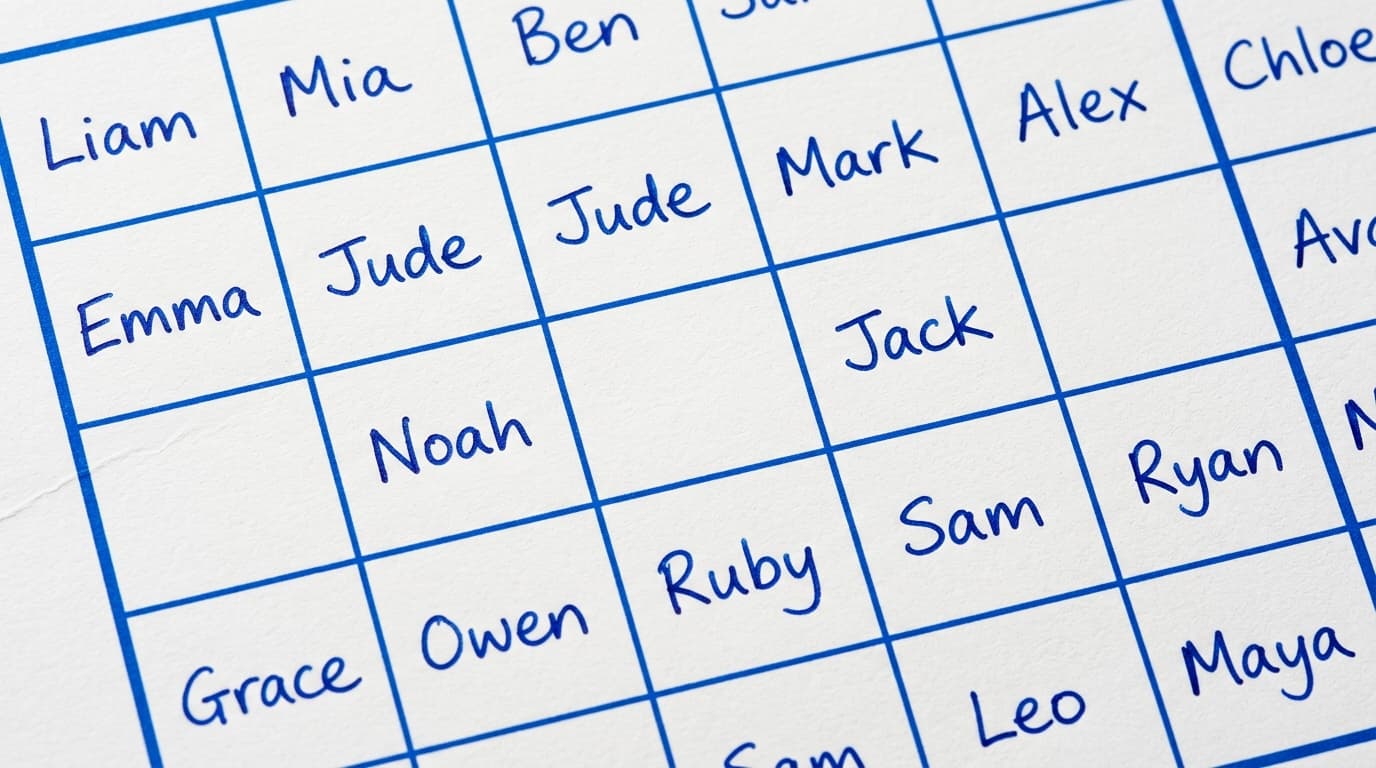
When filling it isn't feasible, the best fallback is rolling an unclaimed prize into the next scoring period, which grows the later prizes and asks nobody to do any arithmetic. Its one gap is the last prize landing on an empty square with no later period to roll into, and you resolve that by either splitting it across the squares that were actually claimed and played, or drawing a random square and paying whoever holds it. Name whichever ending you prefer in advance rather than improvising it on the night.
Two more options work for any unclaimed prize, and our football squares rules reference ranks all four in full. A predetermined next-square-up rule moves the money to another owned square, either by a set step such as adding 7 to each winning digit and wrapping past 9 back to 0, or by a random draw, and both are equally sound because the value lies in having written the rule down first. You can also spread the prize across the other prizes that do have real winners. What never works is quietly shrinking the prize pool to match a half-sold board, because everyone who claimed a square paid full price against the prizes you advertised.
This is the ruling most likely to bite on Super Bowl Sunday, because a one-off board has no next week to make it up on and a party crowd is exactly the mix that leaves eleven squares open that morning, so pick your option now and write it on the board.
The Rules to Write on the Board Before You Sell a Square
Seven lines cover a Super Bowl board completely, and all seven belong where players can see them before anybody claims anything. State the price per square, state the actual dollar figure each of the four prizes pays, say that the digits get randomized only once the board is full and paid, say that the board locks at that moment, say whether the reverse score rule is being paid and out of which slice, say whether a repeat winner simply collects again, and say whether the last prize pays on the final score or on the end of regulation. If the board is raising money for a cause, add the share going to it as an eighth line, which our walkthrough of running a Super Bowl squares fundraiser covers in full.
Written rules stop arguments before they start, and they cost you ten minutes on a Tuesday rather than an awkward conversation on Sunday night. Super Bowl LXI is scheduled for February 14, 2027 at SoFi Stadium, which is further away than it sounds once you start selling squares to sixty people. Setting your Super Bowl squares rules out on a Play Squares board puts them in front of every player on the same screen as the grid, which our guide to running Super Bowl squares online shows step by step, and our Super Bowl squares page covers the rest of the setup.
Frequently Asked Questions
What are the rules for Super Bowl squares?
How do Super Bowl squares rules handle overtime?
How are the numbers assigned on a Super Bowl squares board?
Can you swap your square after the numbers are drawn?
Do Super Bowl squares rules pay a square that wins twice?
How much does a Super Bowl squares board pay?
Is running a Super Bowl squares pool gambling?
Ready to Set the Rules on Your Super Bowl Board?
Play Squares puts the grid, the random number draw, payment tracking and live quarter-by-quarter scoring in one place, so every rule you set is visible to your players and every winner is worked out the moment the score changes.