Super Bowl Block Pool: What a Block Is and How One Wins
Squares School10 min read · August 19, 2026
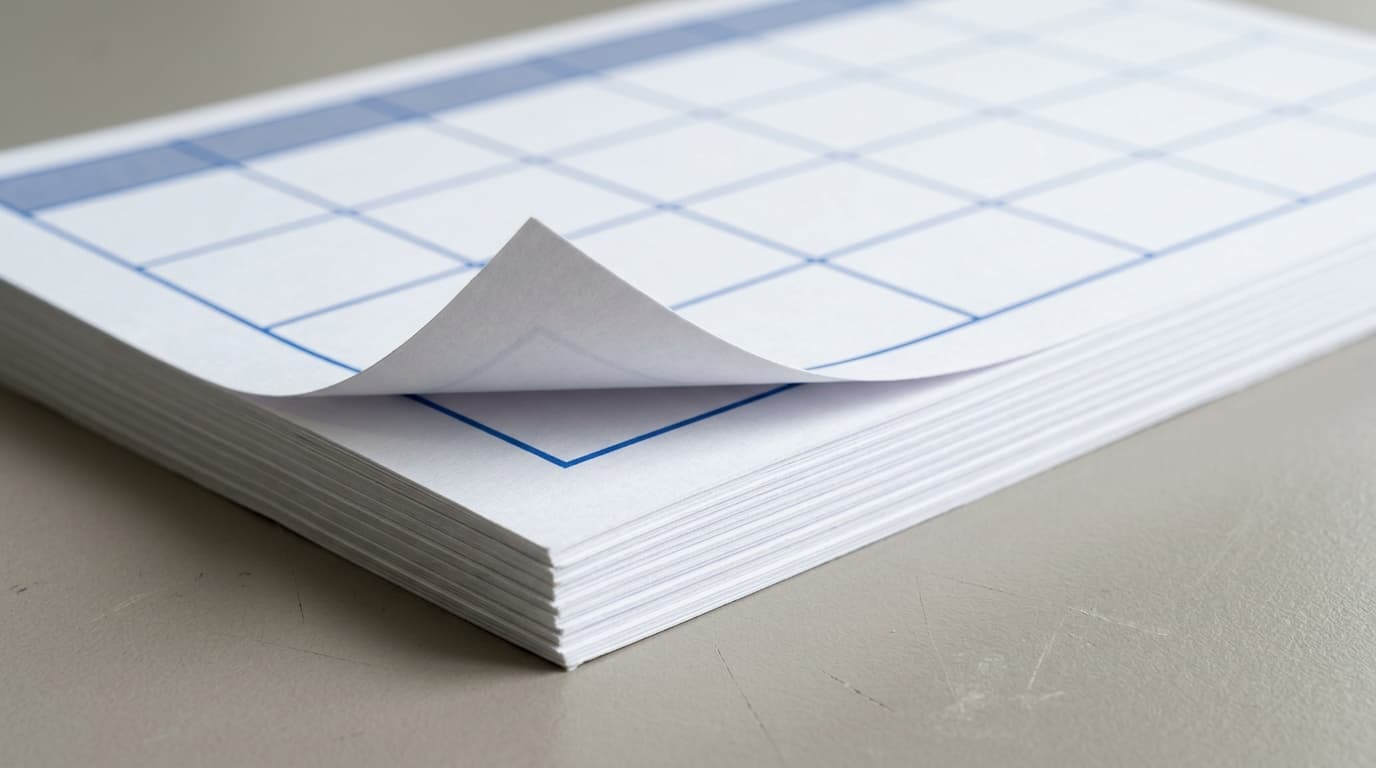
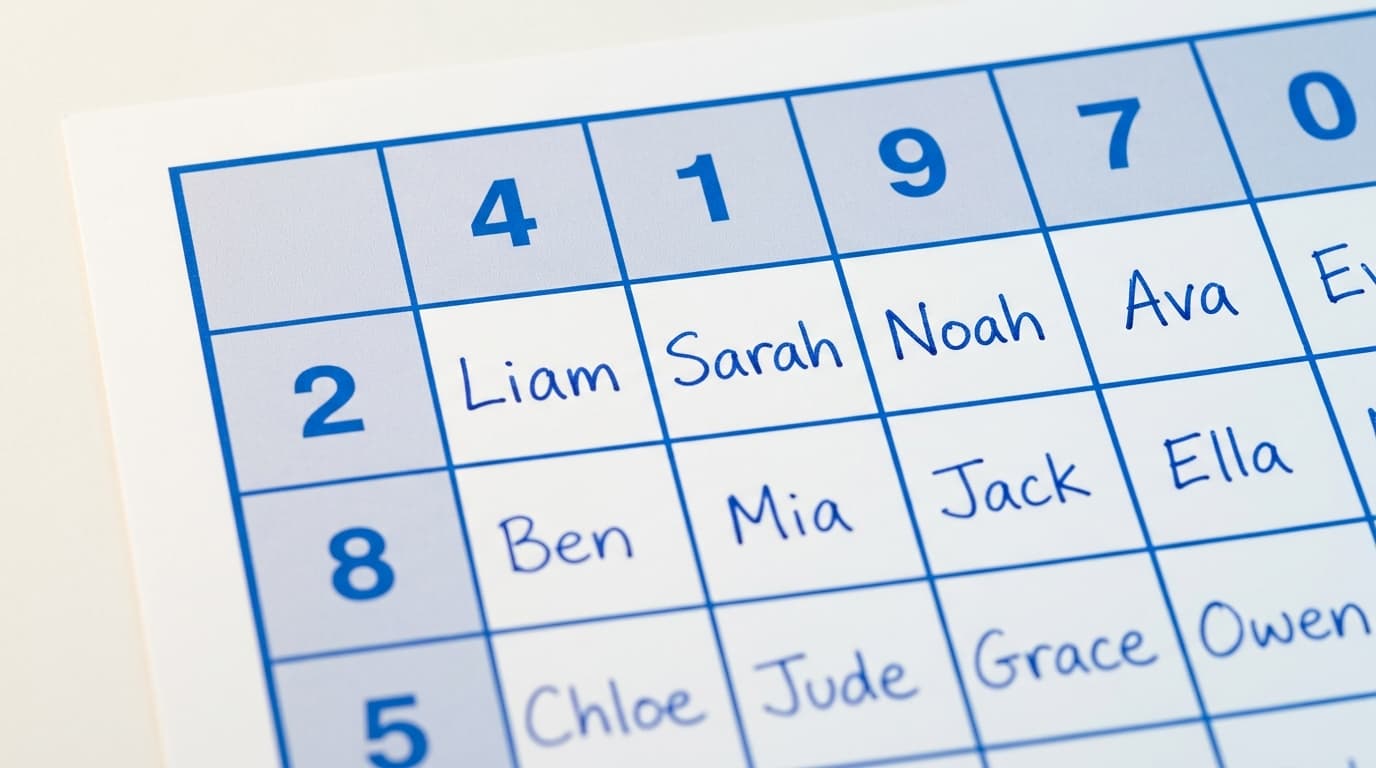
A Super Bowl block pool is a grid of 100 blocks, ten across and ten down, that everyone in a group claims a piece of at the same fixed price before kickoff. Once every block has been claimed and paid for, the digits 0 through 9 get randomly assigned to the ten columns and the ten rows, and at the end of each quarter the last digit of each team's score points at one block on the grid, whose owner wins that quarter's share of the prize pool. It is exactly the same game that other groups call Super Bowl squares or a box pool, and the name your office uses changes nothing about how it's played.
That last point is the one worth settling first, because almost everything written about this game online is filed under the word squares. If somebody handed you a sheet of 100 empty blocks and told you to write your name in a few of them, you're looking at the same board every squares explanation describes, right down to the draw and the payouts. Below is the whole thing in the language your group actually uses, along with the three parts that trip up first time hosts every February.
What Is a Super Bowl Block Pool?
A Super Bowl block pool is a hundred-block grid that a group fills in together, with one team's scores read along the top of the board and the other team's down the left side. Every block on the sheet costs the same and is worth the same, so the only decision anybody makes when they join is how many blocks they want to take.
The money side is just as plain. Whatever the group collects becomes the prize pool, and the host decides in advance how that pool splits across the game's four scoring periods, which are the three quarter breaks and the end of the game. A common weighting hands 20 percent of the pool to each of the first three winners and saves the remaining 40 percent for the last prize, though nothing forces those figures and plenty of hosts pay all four evenly instead. According to our own data, the prices that come up most often on a Super Bowl or NFL board are $1, $2, $5 and $10 a block, and the trade-off between them is worth thinking about honestly, since a higher price raises more money once the board fills but takes longer to sell, while a lower one sells quickly and caps the total.
What makes the format work for a Super Bowl crowd specifically is that it asks nothing of the people playing. Nobody needs to know a thing about football to hold a block, follow along and have a real reason to care about a field goal in the second quarter, which is why it survives in offices and living rooms where almost nothing else does. Our breakdown of football squares payouts runs the prize arithmetic at every price per block if you want the dollar figures rather than the percentages.
Is a Block Pool the Same Thing as Super Bowl Squares?
Yes, and there isn't a single rule that differs between them. Block, box and square are three words for one cell on the same 10 by 10 grid, and which word a group reaches for usually depends on who taught them the game rather than on anything about how it's run.
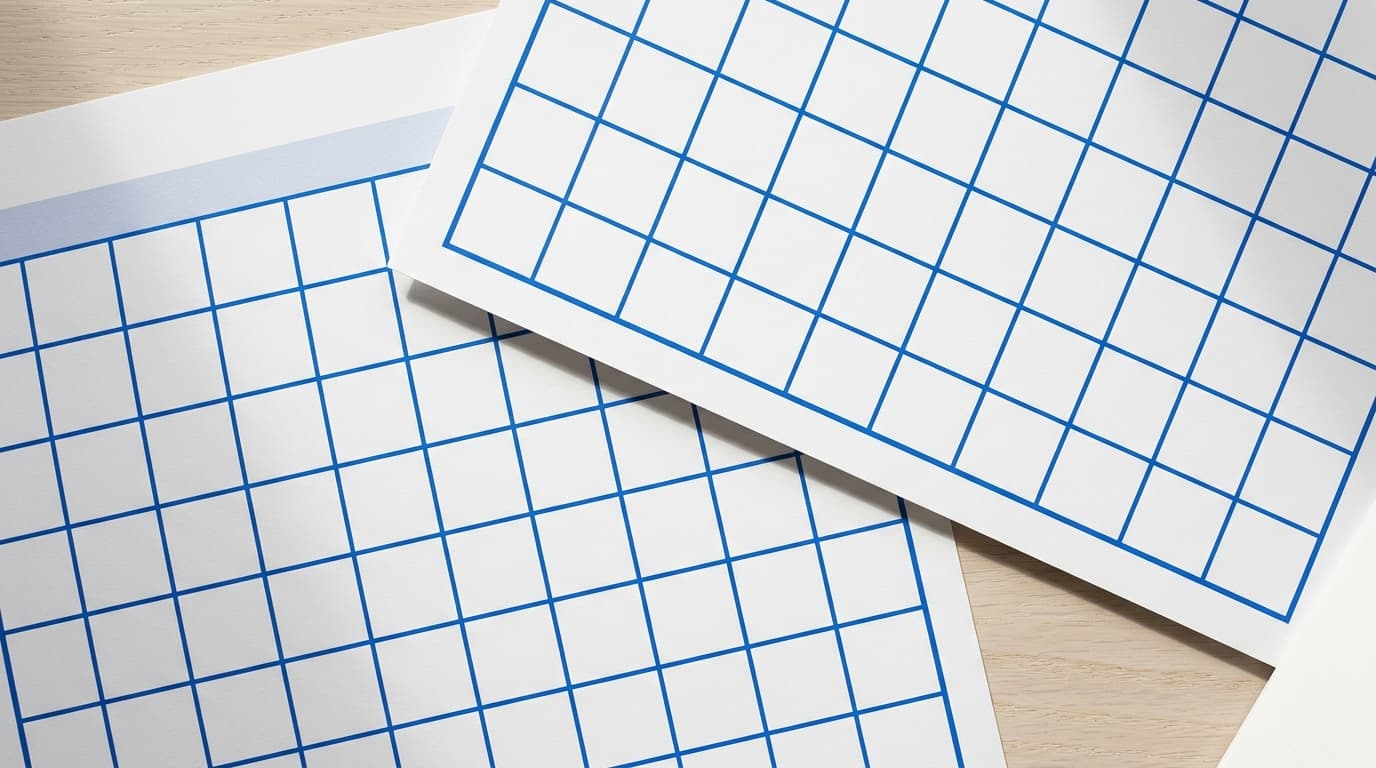
You'll hear grid pool and pool sheet used the same way, and in some workplaces the whole thing is just called the hundred squares or the board. The reason this matters at all is practical rather than pedantic. Somebody searching for how a block pool works often comes away thinking they've found the wrong game, because every result talks about squares, and they end up guessing at rules that were written down clearly somewhere else. There's no variant hiding behind the different name, no different grid size and no different way of reading a winner.
So treat the two words as interchangeable from here on. If you want the mechanics explained at more length than this page goes into, our walkthrough of how Super Bowl squares work covers the same board in more depth, and the Super Bowl squares rules page collects every ruling a host has to settle before the digits get drawn. Both of them describe the pool you're running, whatever your group calls the little boxes. If your group wants a different format altogether, our Super Bowl pool ideas roundup walks through nine of them with a worked prize example for each.
How Do You Claim a Block, and When Do the Numbers Get Drawn?
Claiming a block means writing your name in an empty cell and paying the host for it, and that's the entire process. The digits get drawn afterwards, once every block on the board has been claimed and every payment has actually landed, and never a moment before that.
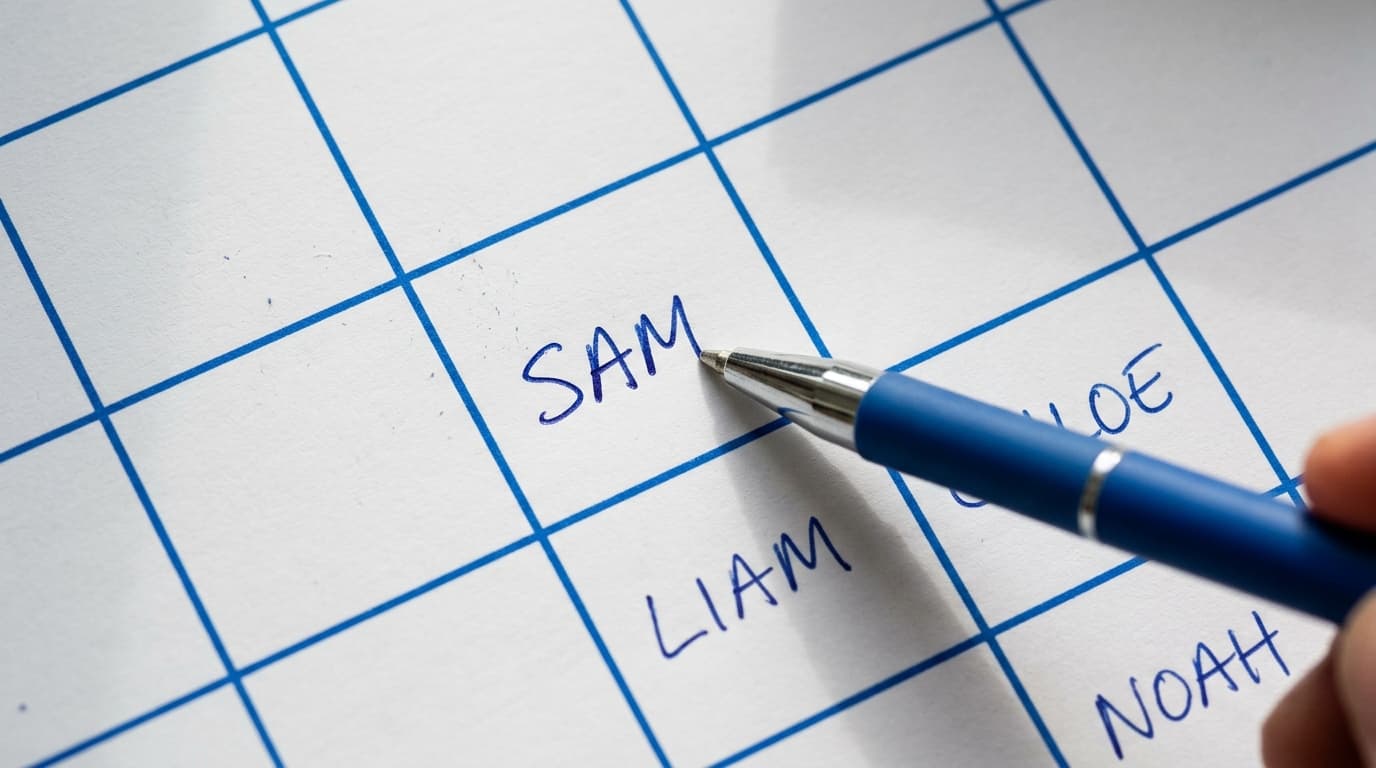
The order of those two steps is the whole reason the game is fair, and it's the part a first time host is most likely to get backwards. While the columns and rows are still blank, there is no such thing as a good block or a bad one, so every block on the sheet carries exactly the same chance of winning. The person who claimed first and the person who claimed last are holding different squares, but neither of them had any way of choosing a better one. Draw the digits before the board fills and that stops being true, because anyone still choosing can now steer toward the pairings that win most often, and as the numbers further down this page show, those pairings win far more than their share. Folded slips out of a bowl, a random number tool or an online board that randomizes at the press of a button all work equally well, as long as the draw happens once, in front of everybody, after the last payment.
The moment those digits land the board locks. No new entries, no swapping a block for one you like better, no changed claims and no late money buying in, because every one of those is a decision made with information the other players never had. That also settles the deadline question hosts ask most often, which is that sign-ups can run right up to kickoff and sometimes slightly past it, since the real cutoff is the draw rather than any particular hour on the calendar.
How Does a Block Win, and What Does It Pay?
A block wins when the last digit of each team's score at the end of a scoring period matches the digits on its column and its row. You never work with the full score, only its final digit, so a team on 13 is a 3, and a team on 7 is still just a 7, and the block where those two digits meet takes that period's prize. That is the exact first quarter shown on the board below.
6 squares available
🏆 Winners
Working through the board above makes it concrete. A first quarter ending 13 to 7 pays the block sitting where the home 3 crosses the away 7, and a 20 to 10 score at the break pays where the home 0 crosses the away 0, which is a completely different person even though the same team is still leading. Two more prizes are still waiting at that point, one at the end of the third quarter and the last one when the game finishes, so more than half the prize pool on this particular board is still unclaimed at halftime.
One wrinkle worth deciding before the draw is what the last prize actually pays on, because a Super Bowl that reaches overtime has both a score at the end of regulation and a genuine final score. The standard, and what we'd recommend, is paying the true final score whenever the game ends, since that's the score everyone in the room remembers. A block that happens to win twice in the same game should simply be paid twice, which is the simplest ruling and what most real pools do, because that block had exactly the same chance as the other 99 when it was claimed.
Are Some Blocks Better to Have Than Others?
Some digit pairings really do come up more often than others once the draw has happened, but no block is better than any other at the moment you claim it, which is the only moment you get to choose anything. Every article promising the best blocks to pick is answering a question the format never asks, since the digits don't exist yet while the board is being filled in.
The pattern in the digits is real, and it comes from how football scoring works, with touchdowns and field goals pushing scores toward certain last digits far more often than others. Across the 1,424 NFL games from 2021 through 2025 that we analysed, the most common pairing of all was a home 7 against an away 0, which won 7.33 percent of scoring periods, followed by a 0 against a 0 at 6.97 percent. Notice what those figures actually say, though. Even the single best block on the grid loses more than nine times out of ten, so calling it a lock would be badly wrong, and a group where everyone holds several blocks spreads across the good and bad pairings anyway.
Where the data genuinely helps is on the host's side rather than the player's, because knowing that a handful of pairings carry so much of the winning is a decent argument for paying more than one prize and for using the reverse score rule, both of which spread the money across more of the room. Our football squares odds data breaks every pairing down by scoring period if you want to look at it properly after your own draw.
What Happens to Blocks Nobody Buys?
The prizes you advertised still get paid in full, so the cleanest answer by a wide margin is to fill the board, with the host or the players between them claiming whatever is left at the price everyone else paid. Once the board is full the rest of this section stops mattering, which is why it's worth the small cost of doing.
When filling it genuinely isn't possible, the next best move is to roll an unclaimed prize into the following scoring period so it grows the later prize, which needs no arithmetic and gives the room something to enjoy rather than something to argue about. That leaves one gap, which is the last prize landing on an empty block with no later period to roll into, and you resolve it by deciding in advance between splitting that prize across the blocks that were claimed and played or drawing a random block on the grid and paying whoever holds it. Naming both endings up front is the part that matters, since either is fine and neither can be argued with once it was written down before the draw.
Two things are never options here. Quietly shrinking the prize pool to match what sold makes the people who did buy in absorb the empty blocks even though they paid full price against the prizes you advertised, and continuing to sell blocks after kickoff degrades the night for everyone, because nobody can follow their own numbers while the board is still changing underneath them. Write the prizes as the actual dollar figures you intend to hand over rather than as percentages of whatever gets collected, and the whole problem gets a lot smaller.
Running Your Super Bowl Block Pool Online
Everything above works on a printed sheet taped to a wall, and hosting a Super Bowl block pool that way is how most people first met the game. What a paper board can't do is answer questions while the game is on, and that's where a host's evening actually goes, fielding the same three messages from forty people who all want to know which blocks they hold, whether their block just won and who took the first quarter.
Running a Super Bowl block pool on Play Squares moves all of that off the host. The score updates on its own as the game goes, the grid highlights the block that's currently on track to win the period being played rather than only the settled winner once a quarter closes, and every player can pull the board up on their own phone whenever they feel like checking. The digits get randomized at the press of a button in front of everybody, the host keeps one central record of who has paid, and nobody has to squint at a photo of a sheet. If you'd rather start from paper, our Super Bowl squares template gives you a printable grid, and the Super Bowl squares number generator will handle the draw for you. Our step-by-step walkthrough of how to make a Super Bowl squares board covers building one from scratch either way, and you can start a Super Bowl squares board in a couple of minutes.
Whichever way you run it, the order stays the same. Set the price and write down the prizes, get all 100 blocks claimed and paid for, draw the digits once in front of the group, and then leave the board alone until the first quarter ends. Do those four things, on paper or on Play Squares, and a Super Bowl block pool very nearly runs itself, which is the entire appeal of a game that has survived in offices for decades on nothing more than a grid and a pen.
Frequently Asked Questions
What is a Super Bowl block pool?
Is a block pool the same thing as Super Bowl squares?
How do you pick a good block in a Super Bowl block pool?
How many blocks does one person have to buy?
What happens if the blocks don't all sell?
Is a Super Bowl block pool considered gambling?
Ready to Run Your Super Bowl Block Pool?
Play Squares gives you the 100-block grid, a random number draw everyone can watch, one central record of who has paid, and live scoring that highlights the block on track to win the period being played.